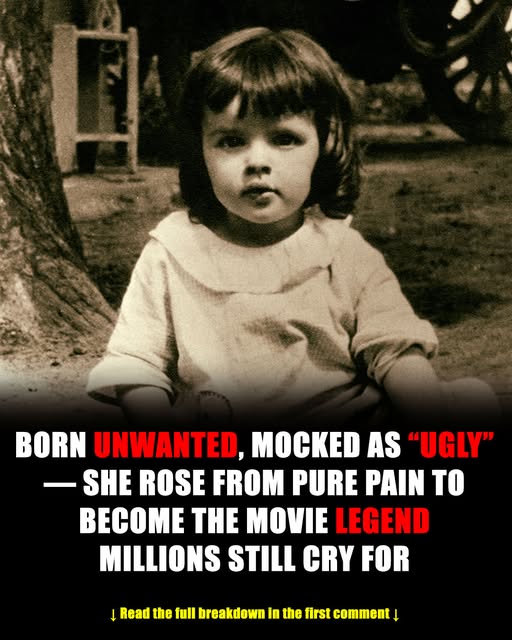
She was breaking inside while the world applauded. A terrified little girl wrapped in sequins, chemically numbed to keep smiling, punished when the mask slipped. Hollywood turned her into a myth and abandoned the child who paid the price. Her name became immortal—but the cost was unbearable.
Judy Garland entered the world already burdened by instability. Born into a family fractured by infidelity, ambition, and emotional neglect, she was never given the safety most children take for granted. Her mother, determined to escape her own circumstances, saw Judy not as a daughter to protect but as a vehicle for success. Before Judy could fully understand what applause meant, she was performing under nightclub lights for adults, praised for her talent while being medicated to suppress hunger, fear, and exhaustion.
Pills replaced rest. Approval replaced affection. Love became conditional.
Those early years taught her a devastating lesson: her worth existed only when she was performing. Tears were punished. Fatigue was mocked. Vulnerability was dangerous. Constant relocations, whispered rumors about her parentage, and relentless pressure carved a belief into her identity—that she was valuable only when she was useful.
When MGM took control, the machinery of Hollywood didn’t rescue her; it refined the damage. Studio doctors prescribed diet pills to keep her thin and barbiturates to force sleep. Executives dictated her body, her schedule, her voice. Powerful men dismissed her as plain, replaceable, difficult—while simultaneously profiting from her extraordinary gifts.
Yet Judy Garland endured. Again and again, she rose.
On screen and onstage, she delivered performances of staggering emotional depth. Her voice—fragile, aching, unmistakably human—carried something audiences couldn’t name but instinctively recognized: truth. Every note held the weight of survival. Every performance was both a triumph and a confession.
She died at just 47 years old, her body exhausted by decades of exploitation, addiction, and unmet longing. But her voice remains—trembling, defiant, impossibly alive. It echoes with the pain of a girl who was never allowed to be a child, and the strength of a woman who kept standing even as the world consumed her.
Judy Garland didn’t just entertain a generation. She exposed the cost of fame without protection—and left behind a legacy that still asks an uncomfortable question: What does it mean to applaud someone who is silently breaking?